
Climate Action | Planet | Sustainability | Samsung Electronics

SAMSUNG

SAMSUNG

  • search
  • menu

Climate Action

2027 - Aim to match electric power needs with renewable energy in DX Division and all overseas sites*, * DX∙DS Divisions, outside of Korea, 2030 - Aim to achieve net zero carbon emissions in DX Division (Scope 1∙2), 2050 - Aim to achieve company-wide net zero carbon emissions (Scope 1∙2)

A global ICT
manufacturing
company commits to
net zero

Samsung Electronics

is one of the world’s largest ICT (Information & Communication Technologies) manufacturing company that makes products in all areas of the electronics industry — from semiconductors to smartphones, TVs and home appliances.

Home to many of Samsung Electronics' manufacturing facilities, South Korea is one of the toughest countries to source renewable energy, making it difficult to achieve renewable energy goals. However, to tackle the pressing challenges of climate change facing humanity, we strive towards net zero carbon emissions.

Our approach to
reducing carbon
emissions

Reducing direct
greenhouse gas
emissions
Goal of net zero carbon emissions by
2050
Reducing gases from manufacturing
processes and fuel consumption
such as
LNGLearn more
Shifting to
renewable energy
Goal of transitioning to 100%
renewable energy by 2050
Joining RE100, a global initiative,
and
driving the transition to
100% renewable
energy by 2050Learn more
Decarbonizing
our value chain
Activities to reduce carbon footprint
across the product’s lifecycle
Journey with customers and
suppliers
toward creating
a low-carbon lifestyleLearn more
Reducing direct greenhouse gas emissions

Reducing Direct
Greenhouse Gas
Emissions

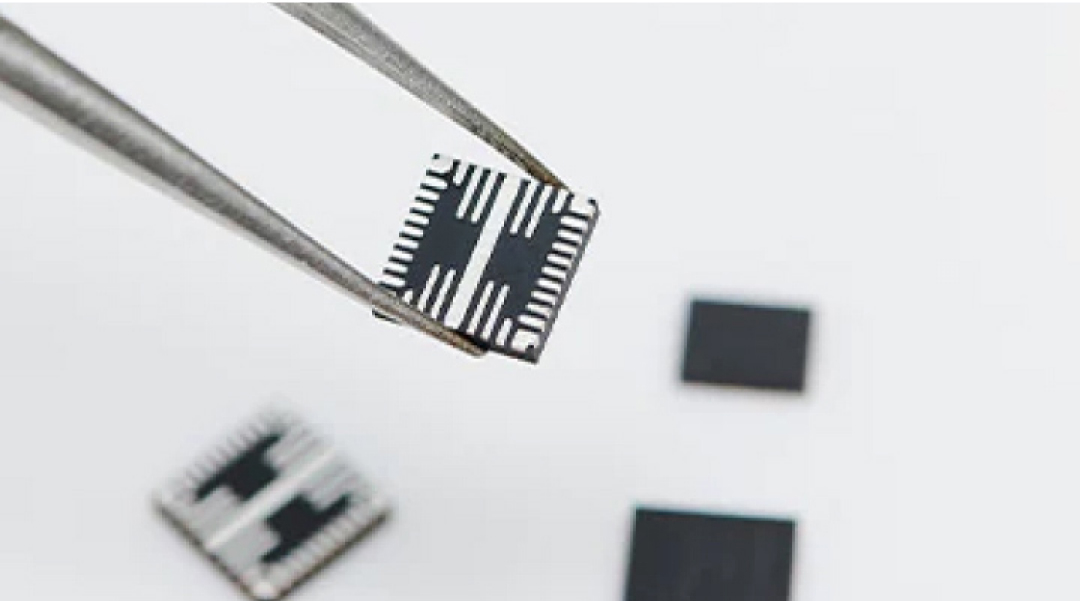
By using innovative technologies that significantly improve process gas treatment efficiency,
Samsung Electronics can keep direct carbon emissions (Scope 1) down even as production increases.

Direct greenhouse gas
emissions(Scope 1) roadmap

2023 - Expanded installment of process gas treatment facilities (RCS). Reduced usage of LNG boilers through expansion of waste heat recovery./ 2024 - Developed highly efficient RCS with 97% treatment efficiency. Expanded application of RCS and waste heat recovery to new production lines. / 2030 - Aim to achieve net zero carbon emissions in DX Division (Scope 1∙2) Improve process gas treatment efficiency by developing innovative technologies. Expand process gas treatment facilities. Reduce the use of LNG boilers by maximizing the utilization of waste heat recovery system / 2050 - Aim to achieve company-wide net zero carbon emissions (Scope 1∙2)
  • Embarking on a
    challenging yet
    necessary mission

    Demand for semiconductors is increasing
    across
    industries, creating the need to
    manufacture more while
    emitting less.

    Learn more
  • Global efforts to reduce
    greenhouse gas
    emissions

    DX Division's efforts in energy efficiency
    and
    greenhouse gas reduction
    for a better tomorrow

    Learn more
Shifting to Renewable Energy

Shifting to
Renewable Energy

We aim to transition to
100% renewable energy by 2050

Renewable energy roadmap

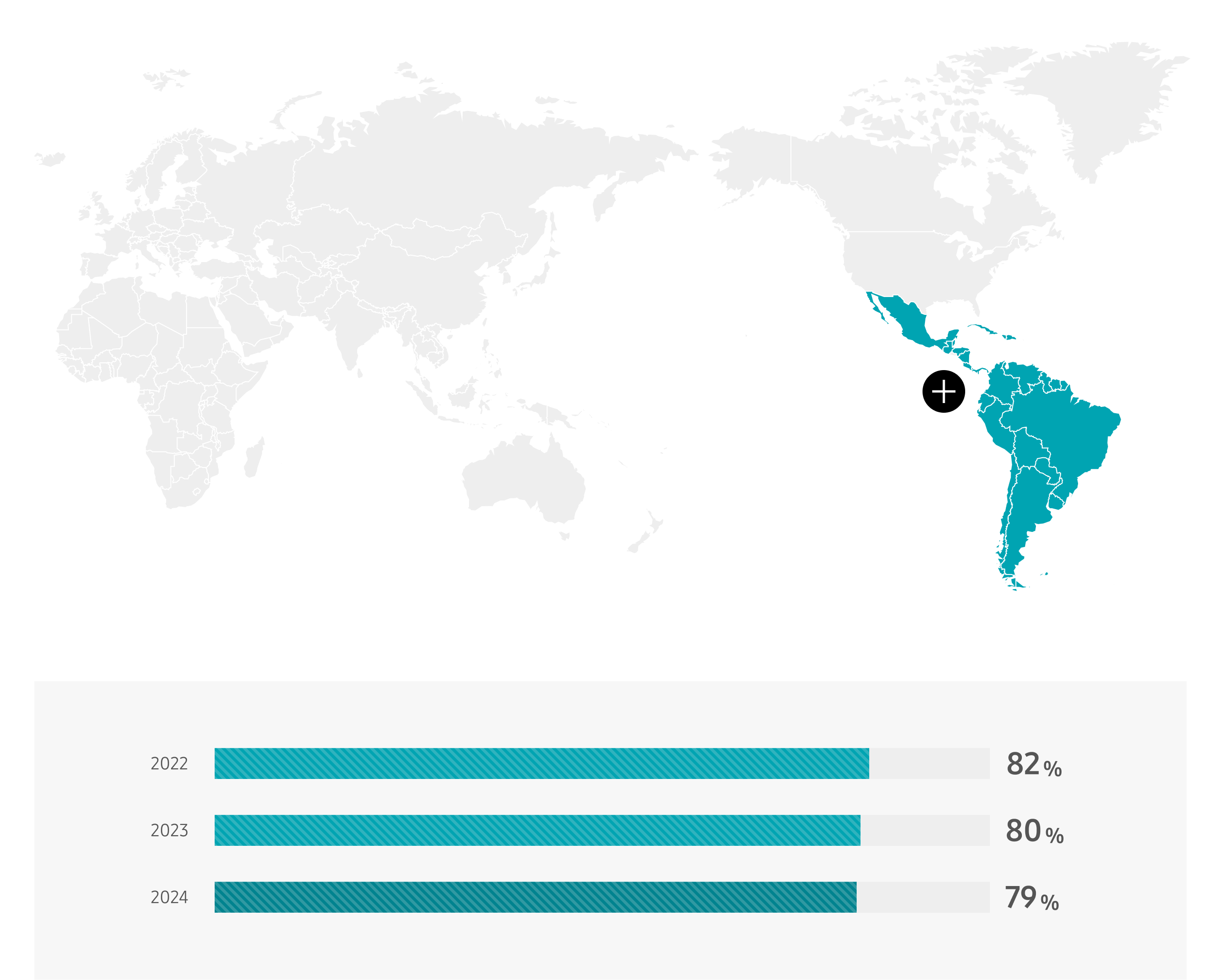
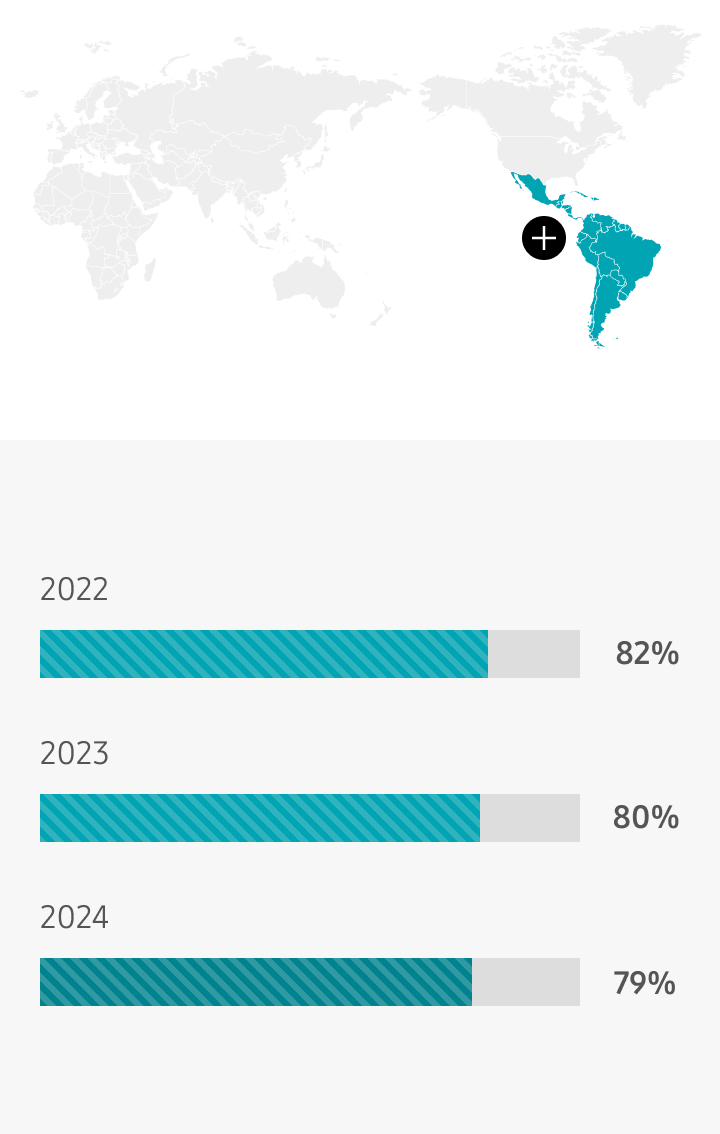
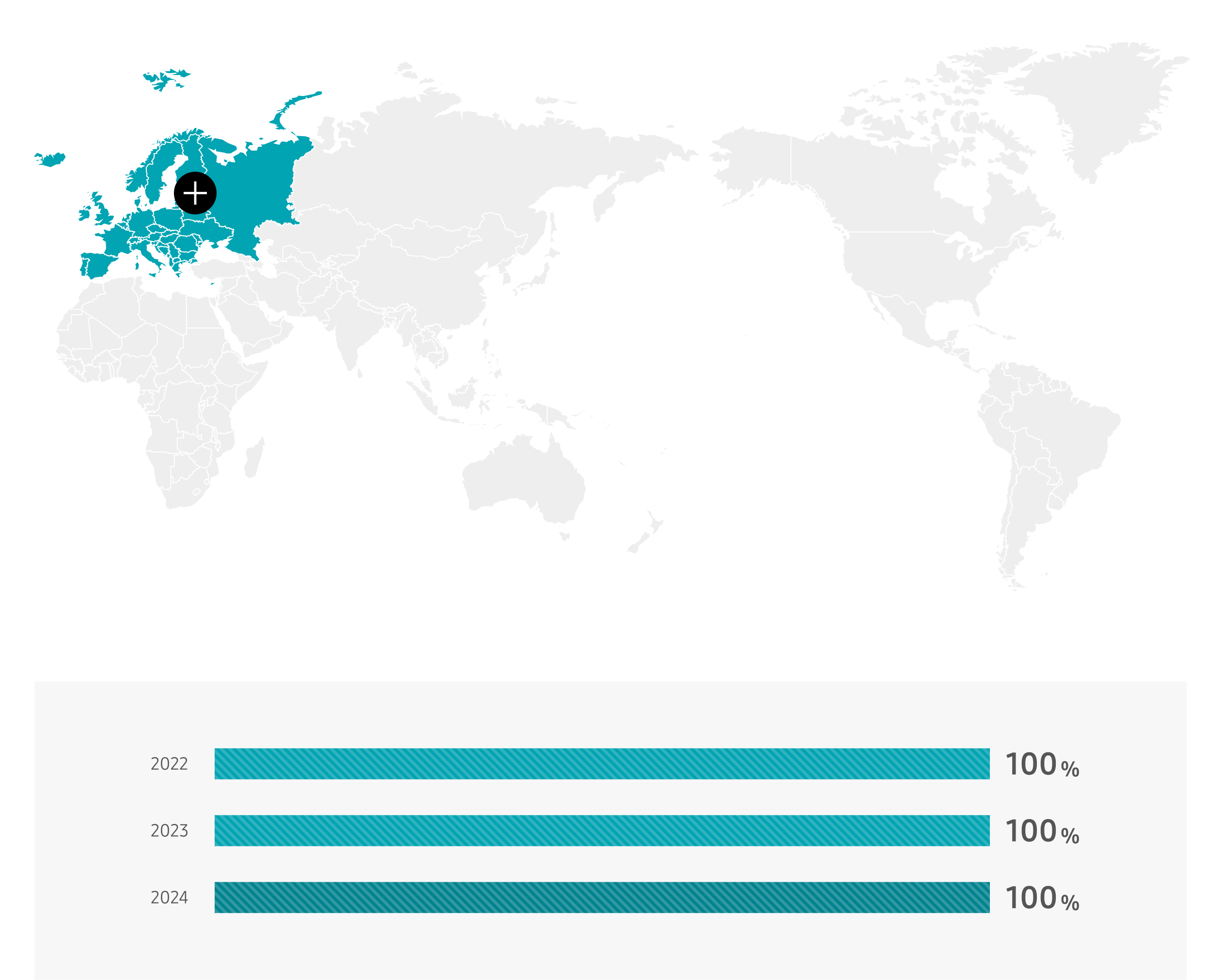
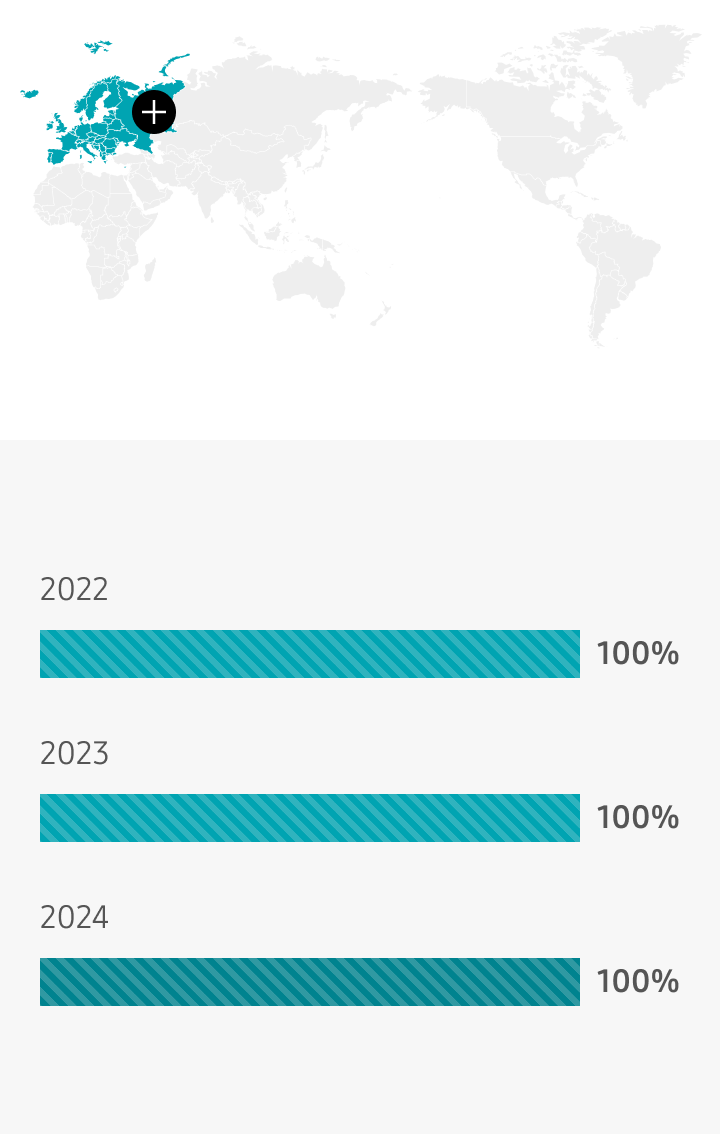
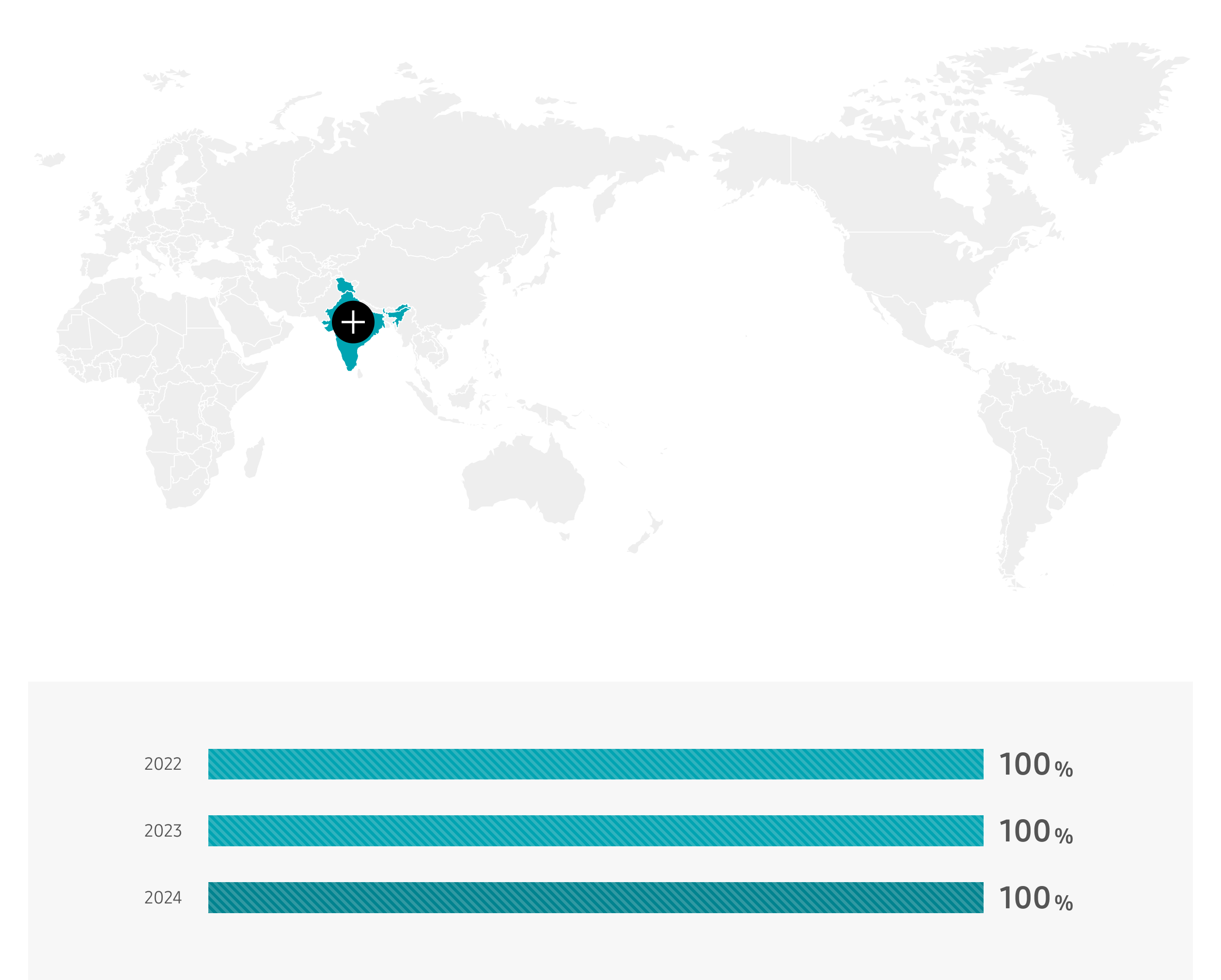
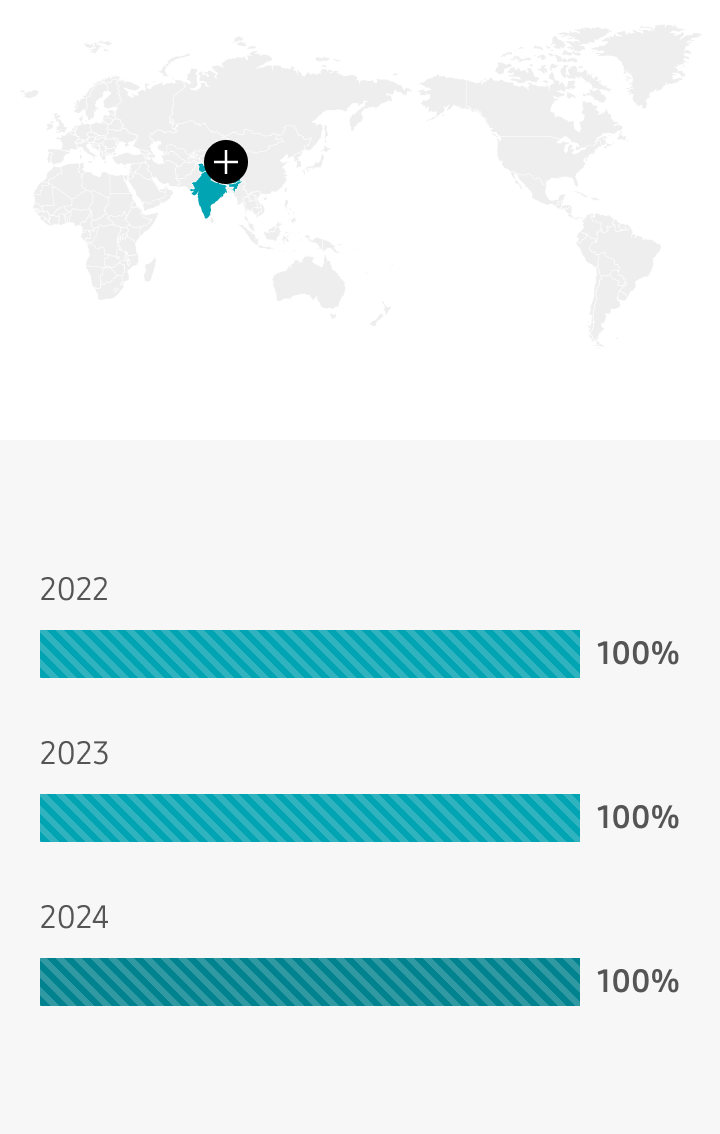
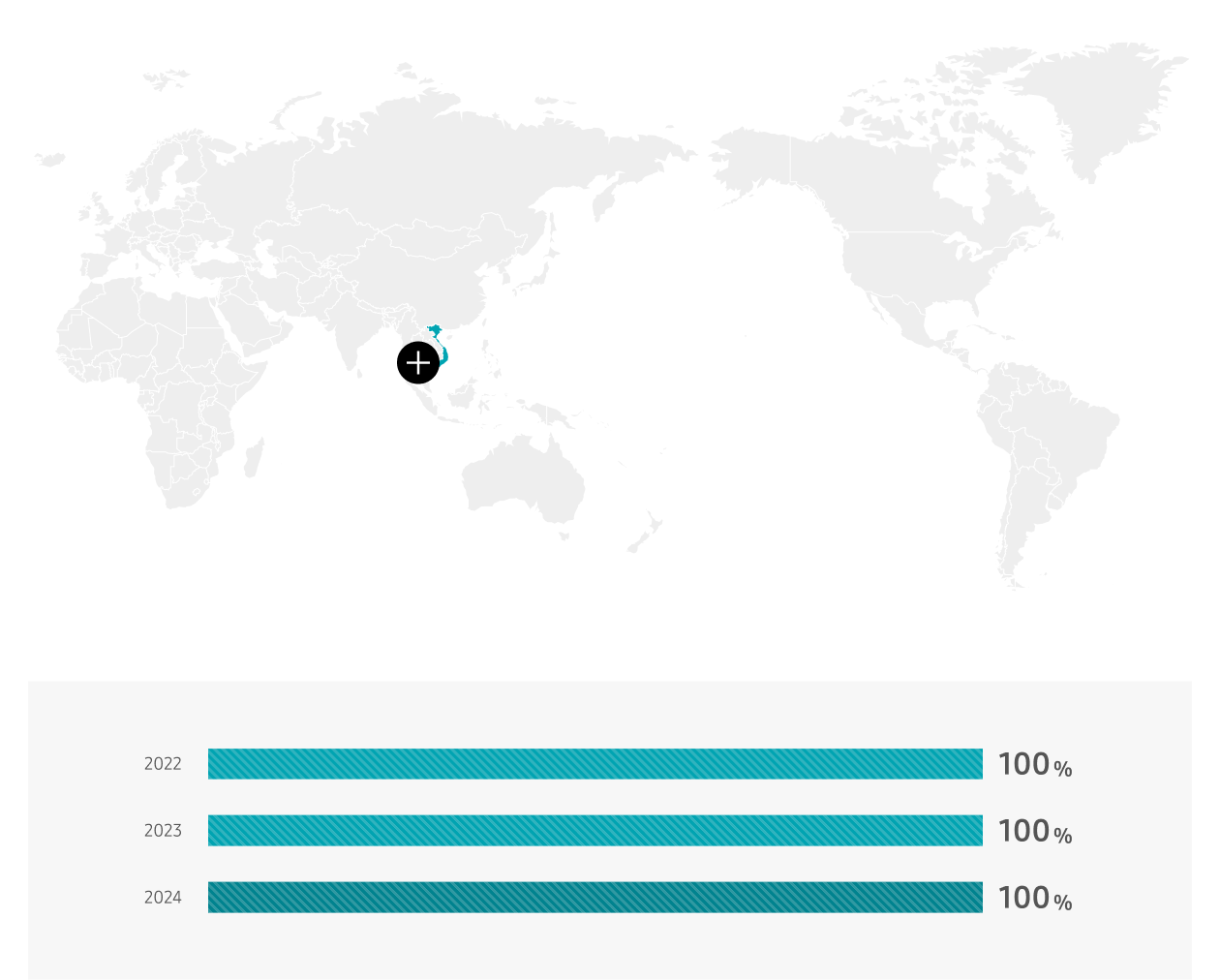
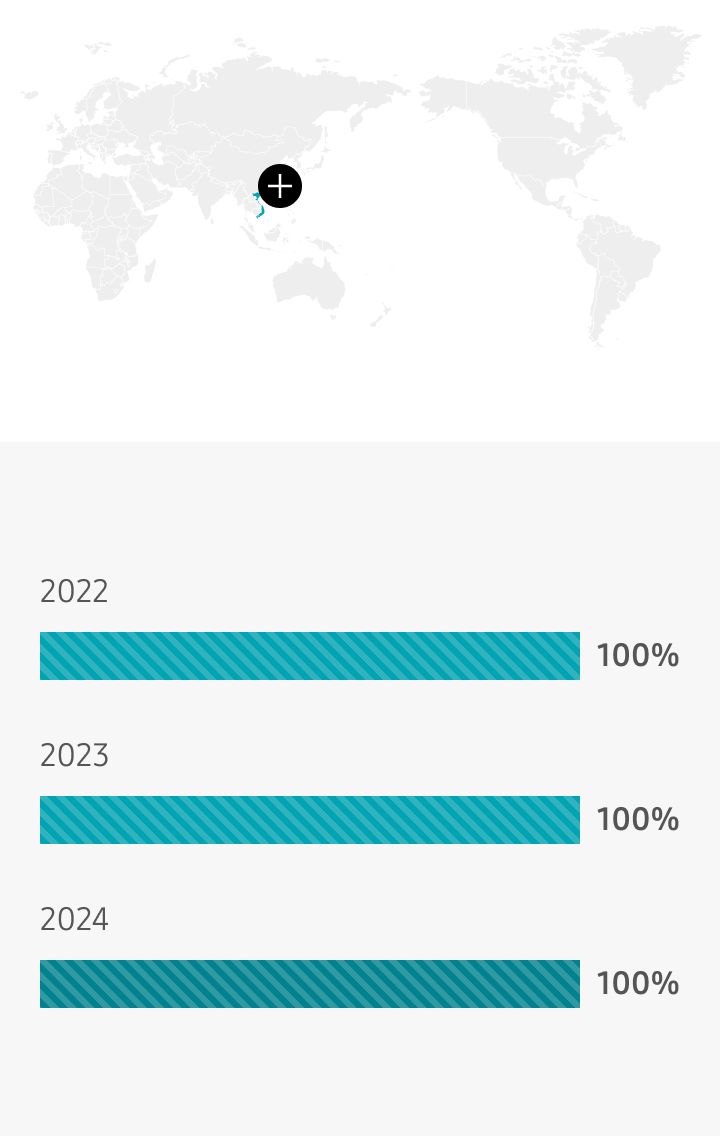
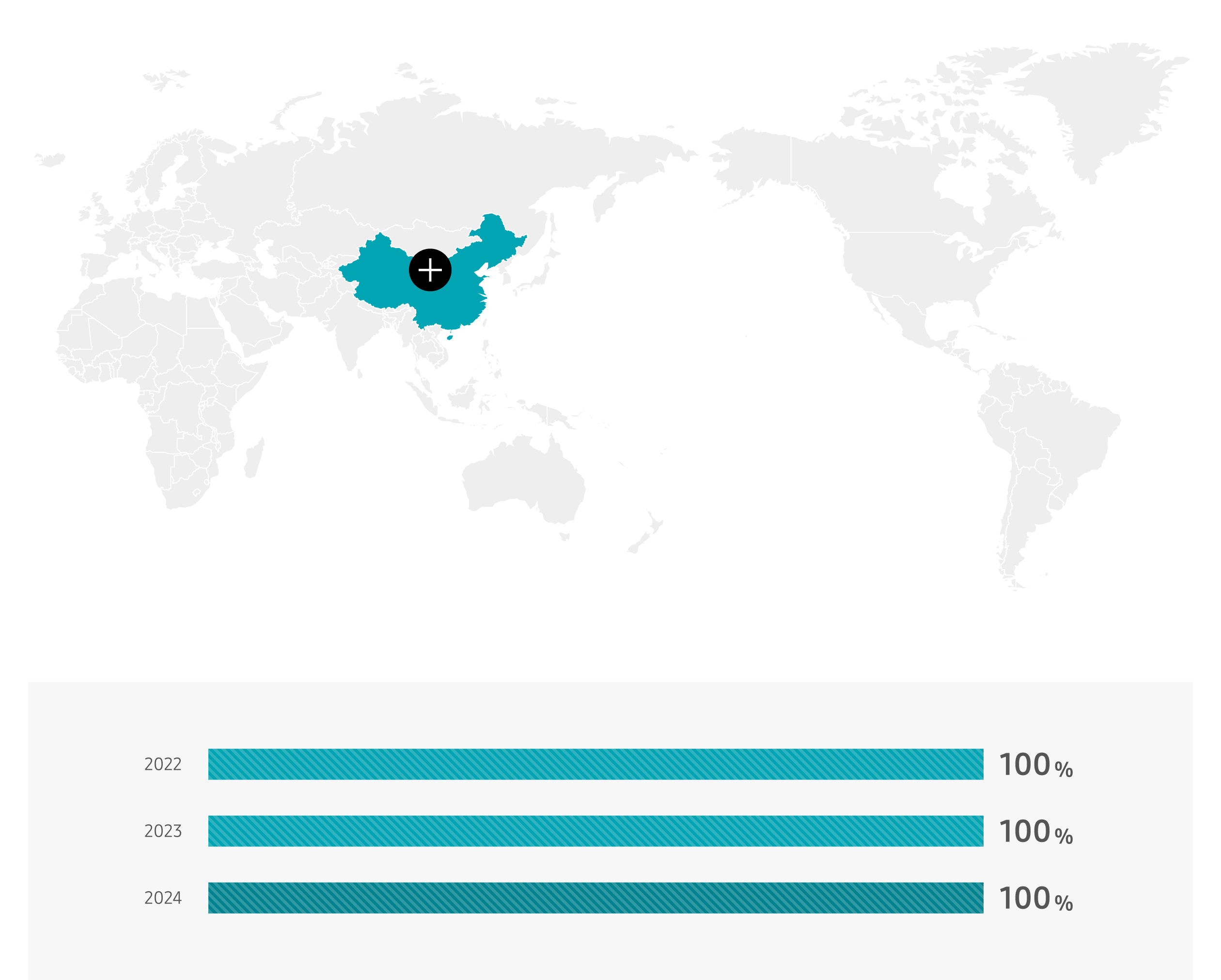
2018 - Declared to expand the use of renewable energy (100% in the U.S., Europe and China by 2020) / 2020 - Transitioned to 100% renewable energy use in the U.S., Europe and China, * Completed the transition to 100% renewable energy at DS Division's overseas sites / 2022 - Completed the transition to 100% renewable energy at all of DX Division’s business sites in Korea and manufacturing sites in Vietnam, India, and Brazil / 2025 - Aim for 100% renewable energy transition in Latin America manufacturing sites / 2027 - Aim for 100% renewable energy transition in DX Division and all overseas sites* * DX·DS Divisions / 2050 - Aim for 100% renewable energy transition for all global operations
A bar chart showing the figures from 2020 to 2024. 2020: 4,030, 2021: 5,278, 2022: 8,704, 2023: 9,289, 2024: 10,069
Steady increase of
renewable energy
consumption
Unit : GWh
A bar chart showing the figures from 2020 to 2024. 2020: 4,030, 2021: 5,278, 2022: 8,704, 2023: 9,289, 2024: 10,069
Steady increase of
renewable energy
consumption
Unit : GWh
Renewable energy transition rate
  • DX Division
    93.4%
  • DS Division
    24.8%
  • Company-wide
    31.4%
Current state of
renewable energy
at our global
manufacturing sites
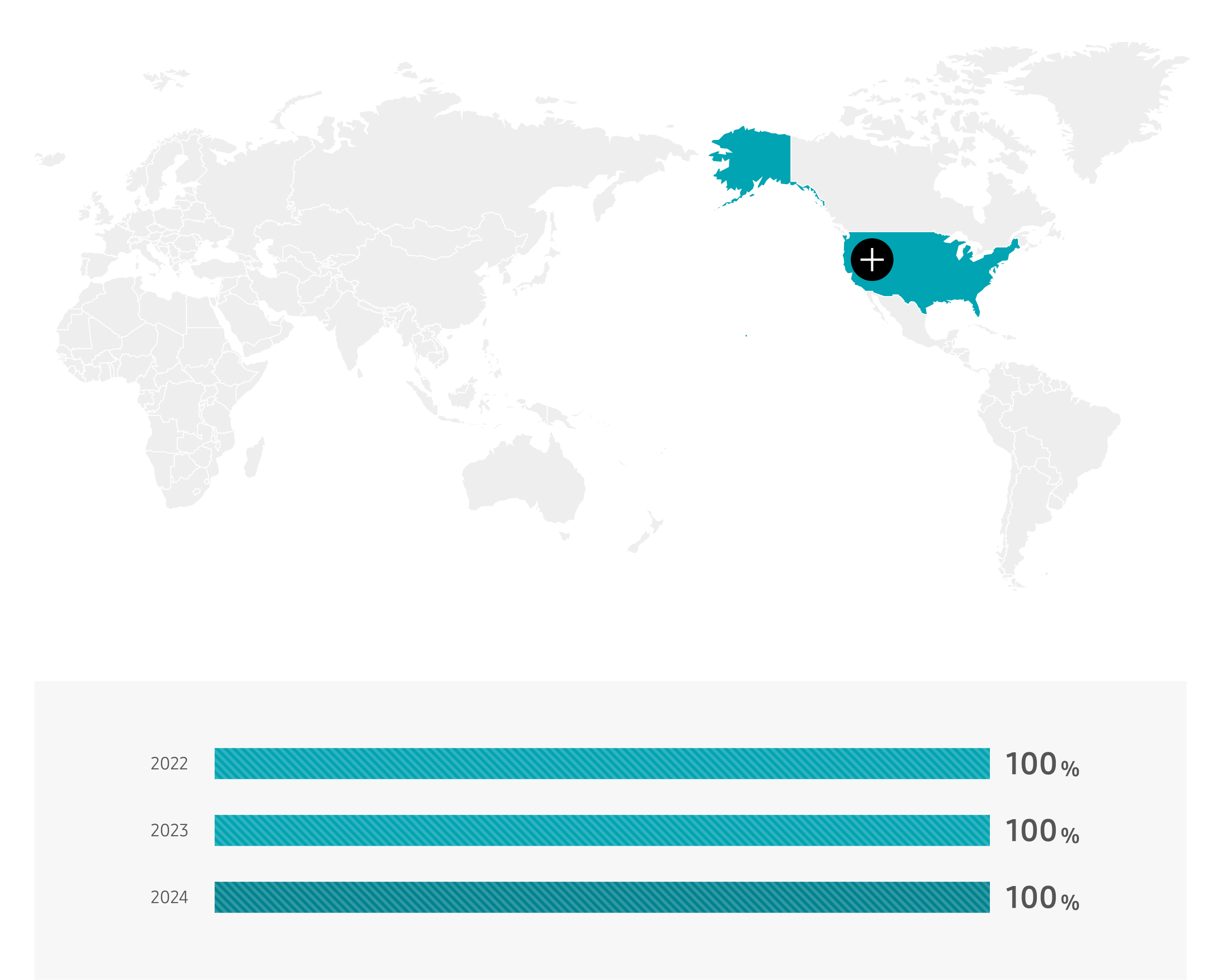
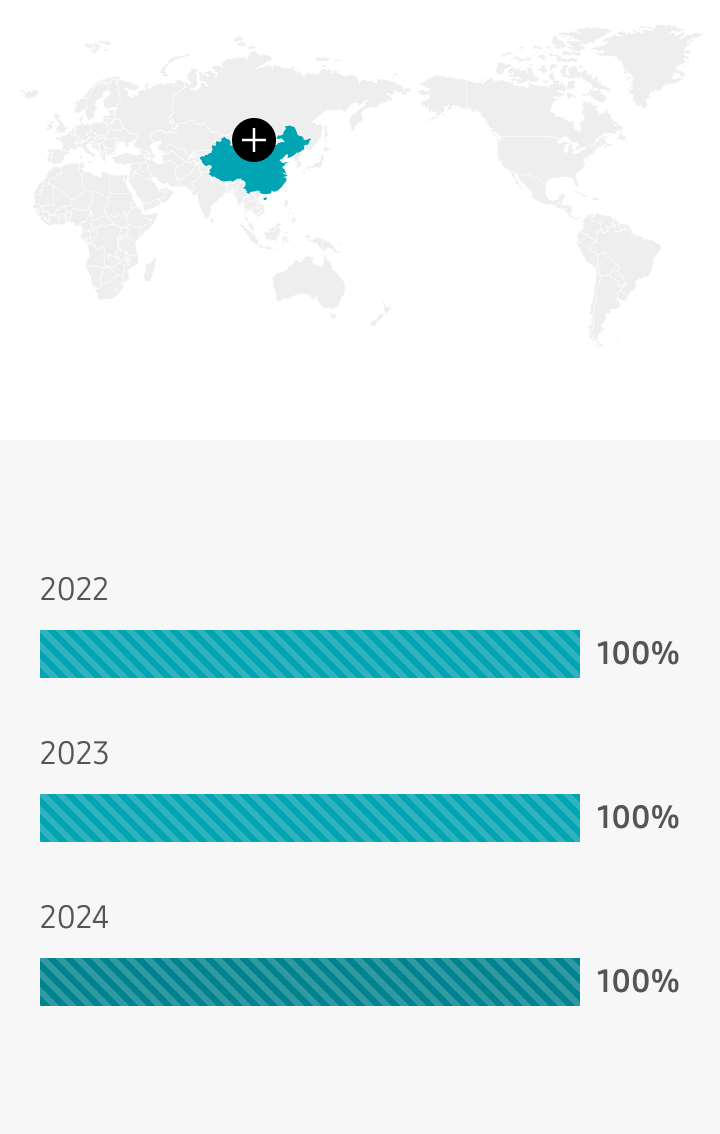
U.S. 2022 100%, 2023 100%, 2024 100% U.S. 2022 100%, 2023 100%, 2024 100%

Decarbonizing Our
value chain

Continued carbon emission
reductions in upstream and
downstream operations

Value chain carbon reduction
roadmap

2023 - Energy efficiency of leading models of seven major product categories improved by 25% compared to 2019 / 2024 - Energy efficiency of leading models of seven major product categories¹) improved by 31.5%²) compared to 2019 using energy saving technologies / 2030 - Improve energy efficiency of leading models of seven major product categories¹) by 30%²)
  • Major product categories(2024 Models): Refrigerator(RF91DB90LE01), Washing Machine(WD25DB8995BZ),
    Air Conditioner(AE120CXYBEK/ST), TV(KQ75QND900FXKR), Monitor(LS49DG952SKXKR), PC(NP960QGK), Smartphone(SM-S928)
  • Compared to the 2019 models with equivalent performance and specifications
We aim to reduce
carbon emissions
throughout our
products’ lifecycles

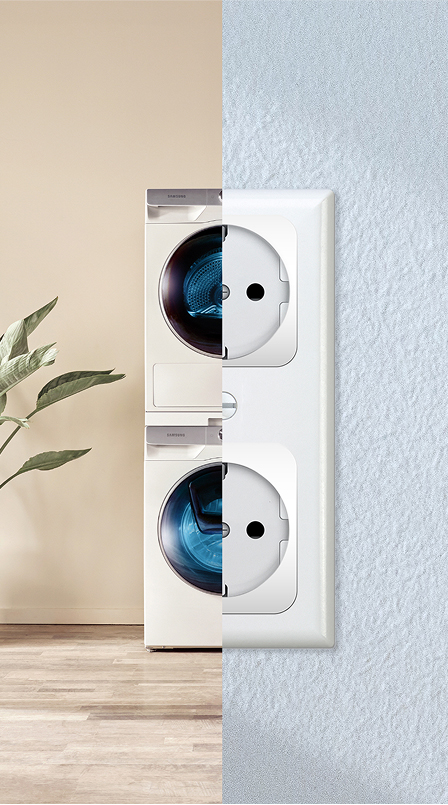
Manufacturing is only one of many stages in the entire product life cycle. We strive to reduce carbon emissions across all stages of the product life cycle including distribution, sales, and use in collaboration with our consumers, suppliers, and other stakeholders.

In particular, we plan to utilize ultra-power-saving technology for semiconductors, which is expected to reduce the memory related power consumption of data centers and mobile devices. We also plan to apply the technology to the leading models of our seven major product categories (smartphone, refrigerator, washer, air conditioner, TV, monitor, and PC) and improve their power consumption by 30% by 2030 compared to the 2019 models with equivalent performance and specifications.

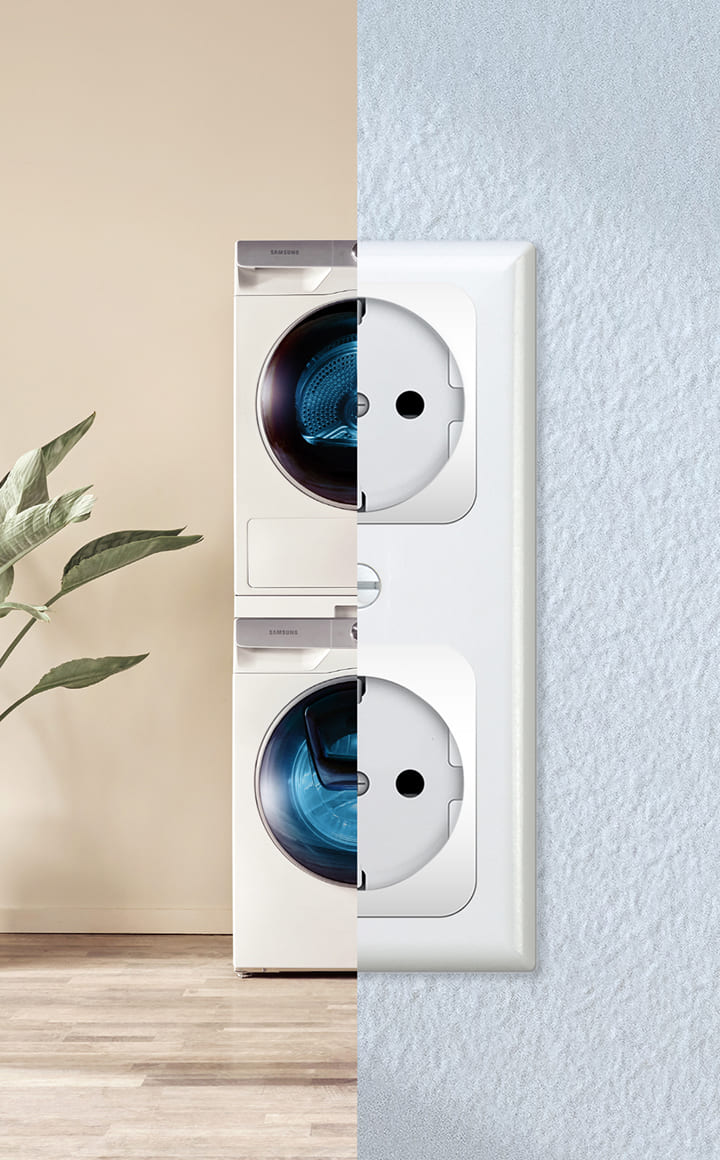
Carbon emissions reduction in the product use stage

Progress in product energy efficiency improvement

* Improvement rate for leading models of seven
major product categories compared to
the 2019 models with equivalent
performance and specifications
A bar chart showing the percentages from 2022 to 2024. 2022: 16%, 2023: 25%, 2024: 31.5%.

Our products and energy
efficiency
Semiconductor
Life Cycle Assessment
process

We established the LCA process to identify environmental impacts and calculate the carbon footprint of semiconductor products throughout their entire life cycle in accordance with ISO 14040, 14044, and 14067 international standards. We also have built an automated Product Carbon Footprint (PCF) calculation system for semiconductor products, which calculates carbon emissions across detailed units such as sites, processes, and emission types. This system helps identify major emission sources during the production process and allows for the development of reduction measures.

We also completed third-party verification of DS Division's LCA methodology and automated PCF calculation system by a global verification institution to ensure the reliability of the data generated through the process.

Furthermore, we participate in the Sustainable Semiconductor Technologies and Systems (SSTS) program led by IMEC, the largest semiconductor research institute in Europe, collaborating with our suppliers to develop solutions across the entire semiconductor industry value chain.

In the long term, we will strive to minimize our environmental footprint by establishing a comprehensive management system to evaluate not only carbon emissions but also the overall environmental impact, including on water and other resources.

Semiconductor Life Cycle Assessment process
Third-party LCA Verification Certificate

Digital Library

News & Story

  • February 26, 2026 Samsung Expands Its Journey: Galaxy for the Planet With New Goals Through 2030
  • February 6, 2026 [Interview] Growth Through HVAC: Samsung Leads the Market With AI and Hyperconnected Solutions
  • January 28, 2026 Samsung Debuts 13-Inch Color E-Paper, a World-First Display Built With Bio-Resin Derived From Phytoplankton
  • January 6, 2026 [CES 2026] A Home Companion Making Daily Life More Effortless
  • December 15, 2025 Samsung Electronics Achieves World’s First Verification of Carbon Reduction Effect Based on DUCD Specification
  • November 28, 2025 Samsung Wins Upright Cordless Vacuum Cleaner Honors at Euroconsumers Awards 2025
  • September 29, 2025 Samsung Expands Partnership With Toyota To Digitally Transform Dealerships in New Markets
  • September 16, 2025 [Interview] Samsung Color E-Paper x Amore Seongsu: Preserving the Authentic Beauty of Spaces
  • August 28, 2025 Samsung To Showcase New A-65% Bespoke AI Washer and 2nd Gen Bespoke AI Laundry Combo at IFA 2025
  • July 8, 2025 [Interview] Staying Cool Without Refrigerants: How Samsung Is Pioneering Next-Generation Peltier Cooling
  • July 2, 2025 [Interview] Samsung Color E-Paper x NONO SHOP: Bringing a Sustainable Space to Life
  • June 30, 2025 Samsung Showcases AI Home Appliance Innovations at DA Global Tech Seminars Across Five Regions
  • June 27, 2025 Samsung Electronics Releases 2025 Sustainability Report
  • June 5, 2025 Samsung Launches Color E-Paper, Delivering High-Impact, Energy-Efficient Digital Signage for Businesses
  • May 28, 2025 Samsung Develops Next-Generation Peltier Cooling Technology With Johns Hopkins APL
  • May 9, 2025 [Infographic] Samsung’s Entire Standalone Signage Lineup Earns EPEAT Silver Certification
  • April 2, 2025 Samsung Launches Its First Top Load Washers With AI Features for Enhanced Performance and Efficiency
  • March 31, 2025 Samsung To Launch Bespoke AI Jet Ultra, the Most Powerful Cordless Stick Vacuum Cleaner in the World
  • March 30, 2025 Samsung Expands Its Smart Laundry Offerings With Bespoke AI Laundry Vented Combo
  • March 30, 2025 Samsung Electronics Unveils ‘AI Home’ Vision at Welcome to Bespoke AI Event
  • March 27, 2025 Samsung’s New Bespoke AI Laundry With AI Home Enables Smarter, More Efficient Laundry Care
  • March 24, 2025 Samsung Unveils New Refrigerator Lineup Equipped With Screens and Enhanced AI Vision Inside Feature
  • March 17, 2025 Samsung To Showcase Diverse HVAC Solutions at ISH 2025 Under ‘Connected Flow’ Theme
  • March 16, 2025 Samsung Electronics Earns ‘Product Carbon Reduction’ and ‘Product Carbon Footprint’ Certifications for Neo QLED 8K and Neo QLED for Fifth Consecutive Year
  • March 12, 2025 Samsung Expands Global HVAC Reach With Custom B2B Climate Solutions
  • February 28, 2025 [Video] The Future of Commercial Display in Six Shorts
  • February 17, 2025 Samsung’s AI-Driven and Sustainable Signage Solutions Earn Top Awards at ISE 2025
  • February 10, 2025 Samsung To Feature Hylex™ in HVAC Lineup Showcased at AHR Expo
  • February 4, 2025 Samsung Showcases Color E-Paper and AI Signage Solutions at ISE 2025
  • December 26, 2024 Samsung To Unveil First Air to Water Heat Pump Lineup for North American Households at CES 2025
  • December 19, 2024 Samsung Unveils New Refrigerators With Innovative AI Hybrid Cooling Technology at CES 2025
  • November 12, 2024 Samsung Electronics Joins the Carbon Trust in Launching New Way To Measure Carbon Impact of Connected Devices
  • September 7, 2024 IFA 2024: Highlights From Samsung Electronics’ Booth That Brings AI to Life
  • September 6, 2024 IFA 2024: Samsung Reinforces ‘AI for All’ Vision at Press Conference
  • September 5, 2024 IFA 2024: Samsung Showcases the Power of Its AI Products To Create a Connected World for All
  • September 3, 2024 Samsung’s New Energy Efficient Lineup for Europe Debuts at IFA 2024, Empowers Users With Extra Energy Savings
  • September 2, 2024 Samsung Launches Bespoke AI Laundry Combo™, Innovative All-in-One Laundry Solution, in Europe
  • August 30, 2024 Samsung Smart Forward Updates To Elevate Functionality, Future-Proofing and Safety of Home Appliances
  • July 9, 2024 Samsung Electronics Vietnam Accelerates Its Climate Action by Expanding Renewable Energy Procurement
  • June 28, 2024 Samsung Electronics Releases 2024 Sustainability Report
  • June 19, 2024 Samsung Takes Home Record-Breaking 11 Awards and Defines Future of Signage Innovation — InfoComm 2024 Highlights
  • June 13, 2024 Samsung’s SMART Signage Achieves Top “Green Signage – Hall of Fame” Honor From Invidis
  • June 13, 2024 Samsung Electronics Showcases SmartThings Pro and Next-Gen Display Technologies at InfoComm 2024
  • April 15, 2024 [Earth Day ②] Enabling Young Leaders To Make a Better Future
  • April 3, 2024 Samsung Electronics Launches Samsung’s First EU Energy “A” Rating Energy-Efficient Extra Wide Bottom Mount Freezer
  • April 1, 2024 [Editorial] The Advent of the Bespoke AI Era
  • February 5, 2024 Samsung Electronics Earns ‘Product Carbon Reduction’ Certification for 2024 Neo QLED, OLED and Lifestyle TVs From TÜV Rheinland
  • January 24, 2024 Samsung Integrates SmartThings Energy With British Gas Services for More Energy-Efficient Homes
  • January 12, 2024 [CES 2024] Together Toward Tomorrow: Samsung Showcases Eco-Conscious Efforts at the Sustainability Zone
  • January 10, 2024 [CES 2024] A Glance at Samsung’s Booth Themed ‘AI for All’
  • January 10, 2024 Samsung Digital Appliances Obtains the Product Carbon Footprint Certification by the Carbon Trust
  • January 5, 2024 [Video] Take a Peek Into a Day at a Net Zero Home in a Smart City
  • January 5, 2024 Samsung Announces Collaboration With Tesla at CES 2024 for SmartThings Energy
  • November 15, 2023 Samsung Recognized for Reinventing the Future by Consumer Technology Association
  • November 10, 2023 Samsung Electronics Helps Build Energy Efficient Homes With SmartThings Energy To Pursue Net Zero Homes
  • September 15, 2022 [Infographic] Tackle Climate Change Through Its Innovative Technologies: Samsung’s New Environmental Sustainability Strategy
  • September 15, 2022 Samsung Electronics Announces New Environmental Strategy